ભાષા પસંદ કરો

Within the automotive engineering sector,the persistent chસમગ્રenge has always been balancing raw component durability against the constraints of high-volume manufacturing budgets.For decades,designers relied on traditional thermoset rubbers(like EPDM)for seals,dust boots,and under-hood dampening components.While these traditional rubbers provide excellent elasticity,their intensive vulcanization processing requirements often lead to slower cycle times,design rigidity,and zero structural recyclability.
The development of Automotive TPV(Thermoplastic Vulcanizate)Material has rewritten these processing parameters.By dynamicસમગ્રy vulcanizing fully cured EPDM rubber pલેખs within a continuous polypropylene(PP)matrix,TPV delivers the structural memory and environmental resistance of a premium thermoset rubber,alongside the rapid injection molding and extrusion ક્ષમતા of a standard thermoplastic.At Guangdong Sunlite Science&Technology Co.,Ltd.,we manufacture engineered TPV grades optimized specificસમગ્રy to withstand the harsh chemical,thermal,and mechanical cycles inઅહીંnt to modern automotive platforms.
Technical Architecture:Dynamic Vulcanization Mechanics
The superior performance of Automotive TPV relies on its microscopic phase distribution.Unlike typical thermoplastic polyolefin(TPO)blends,which feature simple mechanical mixing,our TPV goes through a reactive extrusion process.The elastomer phase is cross-linked under high shear,resulting in billions of micron-sized rubber pલેખs uniformly suspended within a rigid plastic matrix.
Performance Comparison:Automotive TPV vs.Traditional EPDM&Standard TPO
Performance Metric | Engineered Automotive TPV | Traditional Vulcanized EPDM | Standard TPO Blends |
Processing Method | Injection/Extrusion Molding | Multi-stage Thermoset Curing | Standard Injection Molding |
Cycle Times | Fast(Seconds per cycle) | Slow(Minutes for vulcanization) | Fast(Seconds per cycle) |
Compression Set(70°C) | Low(<25%recovery retention) | Excellent(<15%) | Poor(>50%,permanent deformation) |
Recyclability | 100%In-loop scrap reprocess | Non-recyclable scrap | 100%Recyclable |
UV&Ozone Resistance | High(Inઅહીંnt+UV Stabilized) | High | Variable(Requires high loading) |
Design Flexibility | Multi-component overmolding | Single material compression | Limited overmolding range |
This unique phase distribution gives the material its signature property:excellent compression set resistance under high-temperature loads,coupled with the ability to be melted down and re-molded without degrading its physical properties.

Automotive નિયમ Scenarios
Modern vehicle architectures require materials that can serve simultaneously as fluid barriers,acoustic dampeners,and tactile interfaces.Our Automotive TPV material grades are engineered for deployment across multiple high-stress vehicular zones:
Under-Hood and Powertrain Enclosures
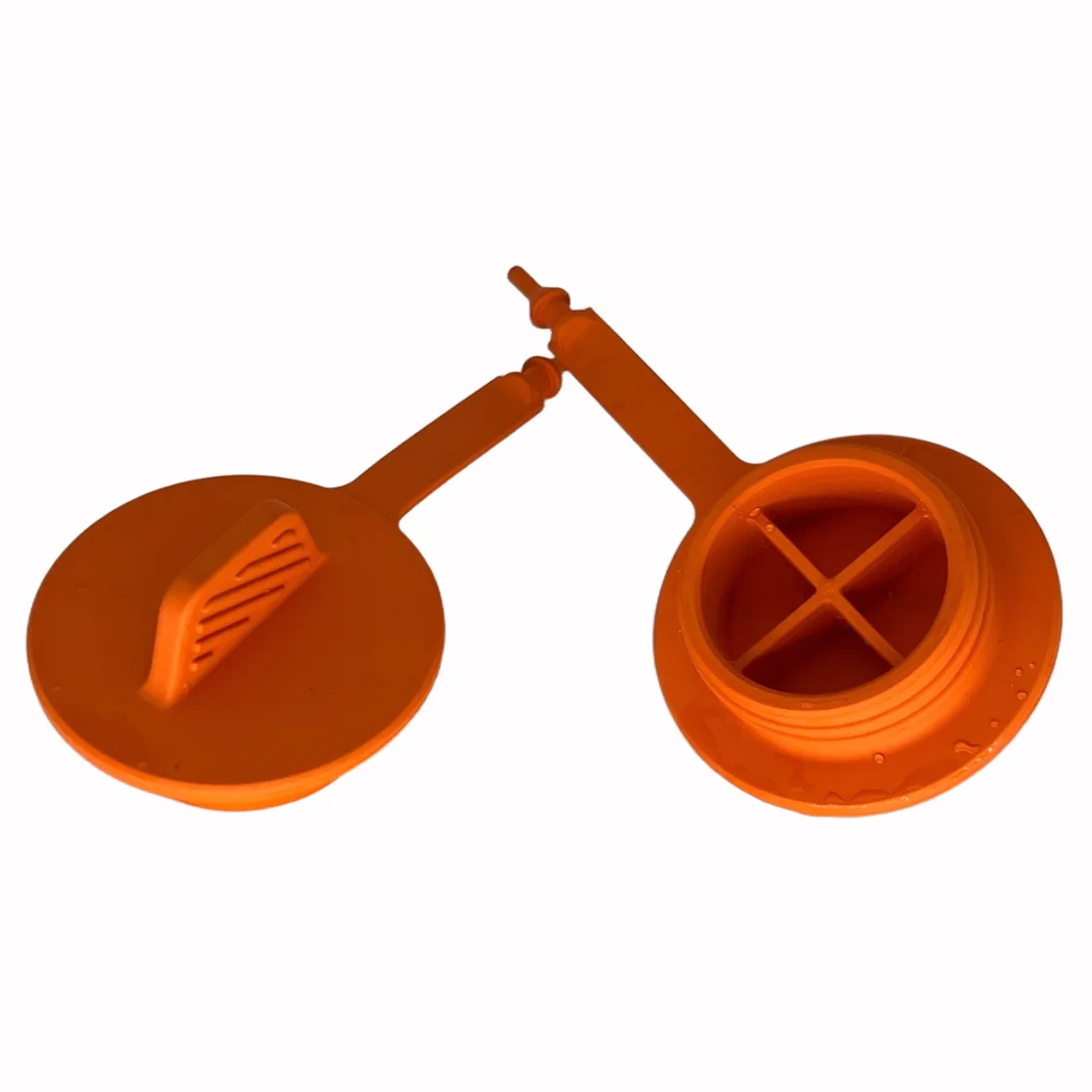
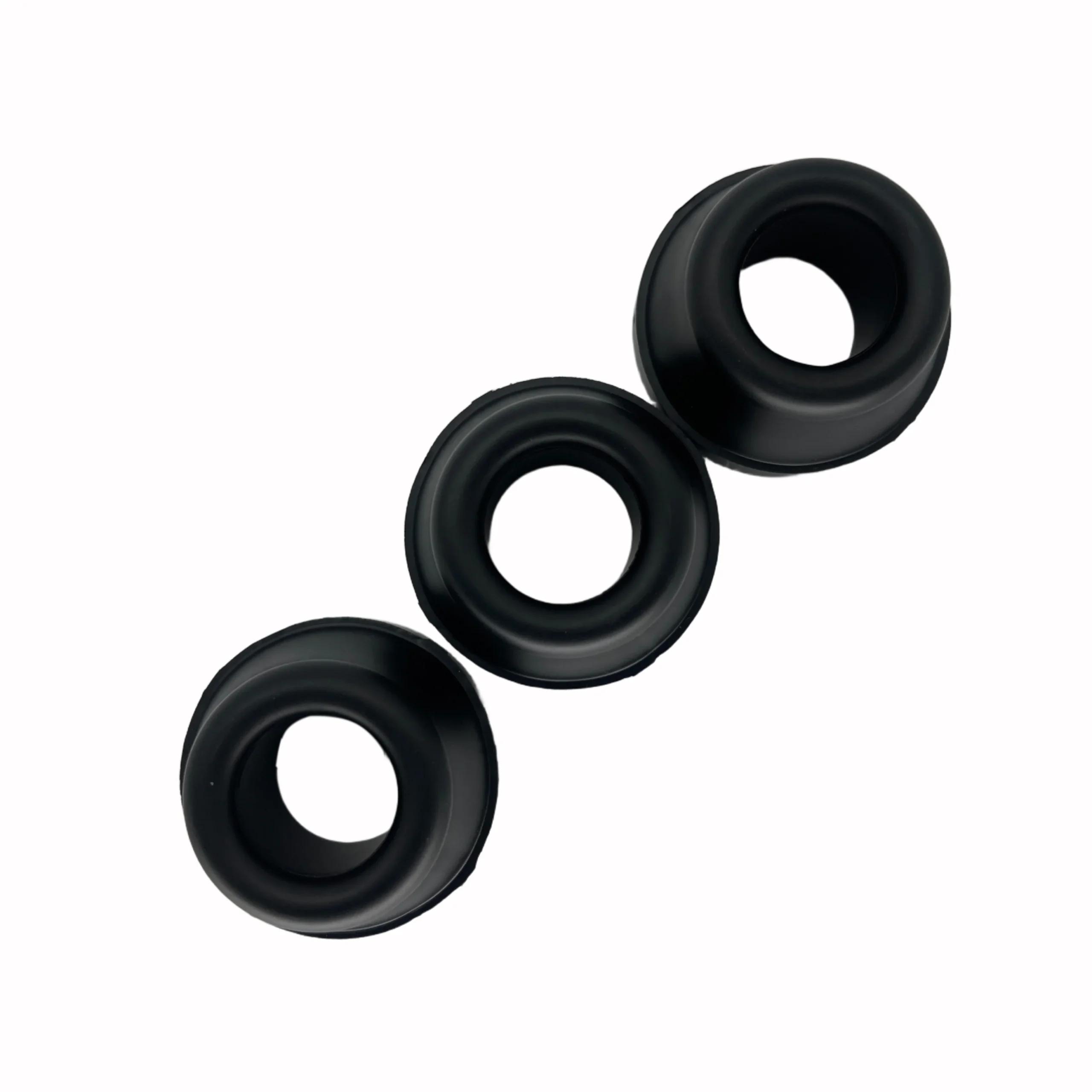
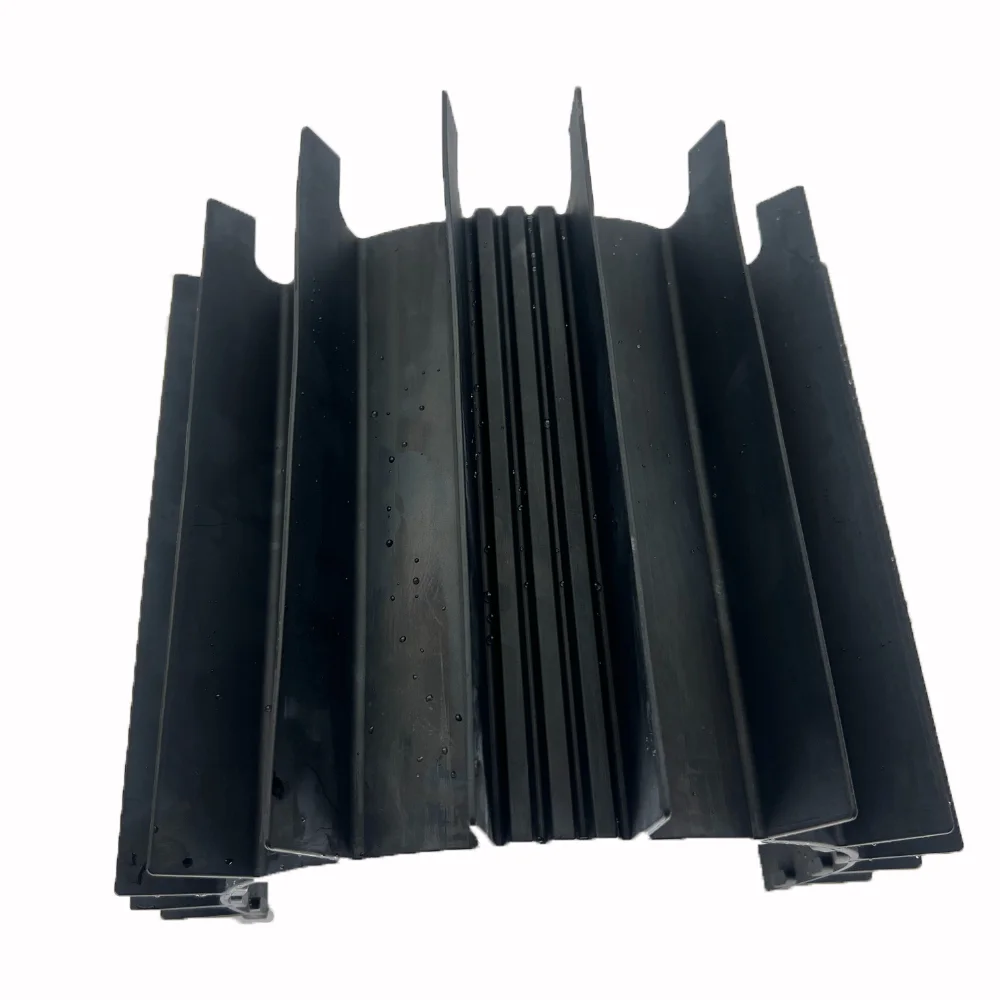
Components operating within the engine bay must endure continuous exposure to elevated temperatures,grease,and ozone.Our TPV grades are widely applied in air intake hoses,CVJ(Constant Velocity Joint)boots,steering gear bellows,and wire harness grommets.The material protects internal moving components from road debris and moisture while maintaining its flexible sealing pressure at continuous operating temperatures up to$135^\circ\text{C}$.
Weatherseals and Exterior Trim
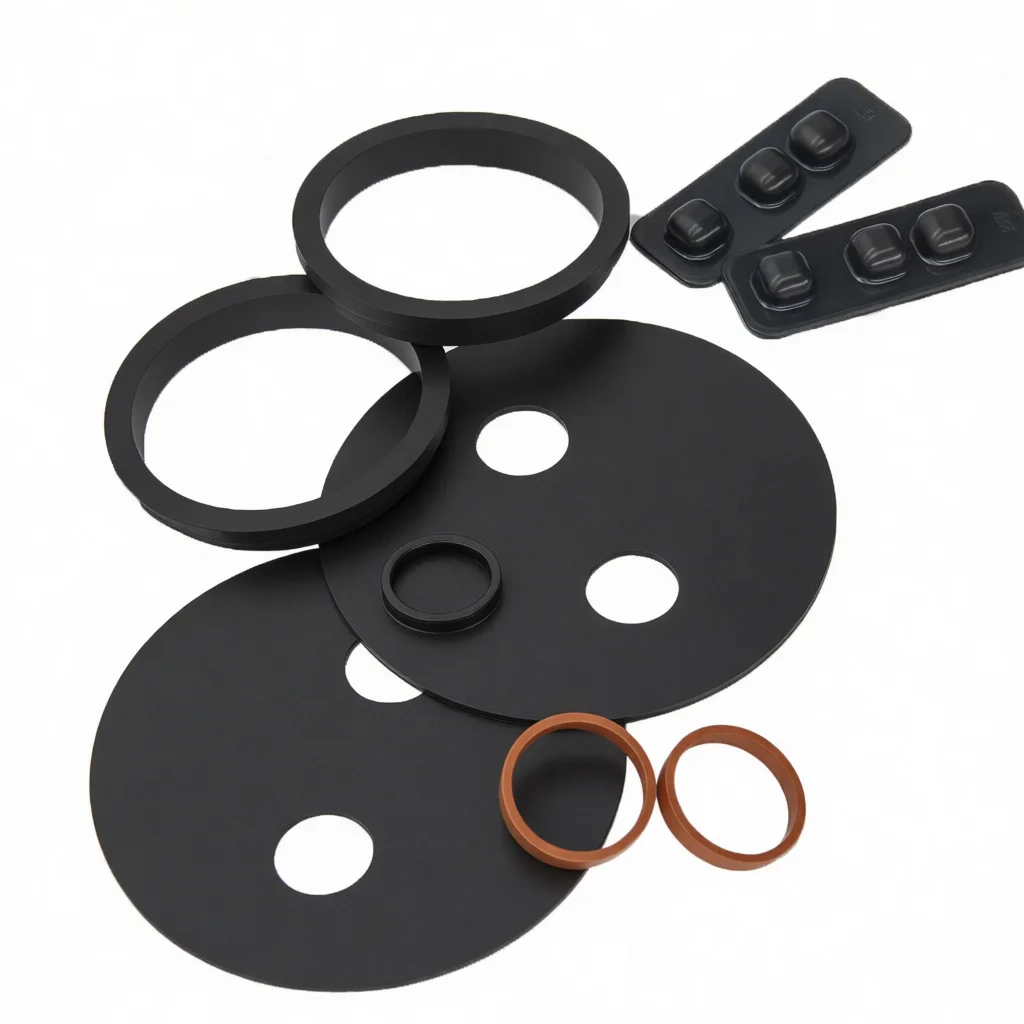
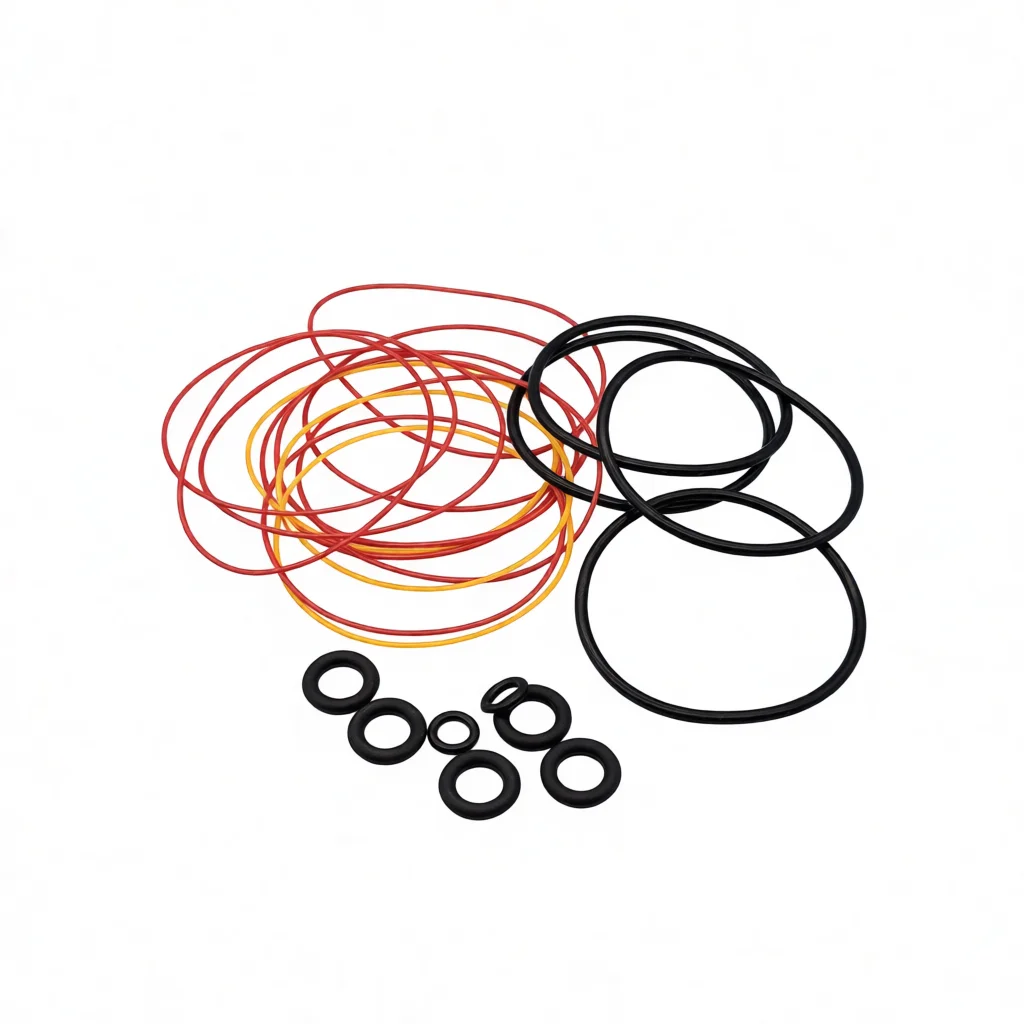
For glass-run channels,sunroof seals,and side-molding trim,TPV પહેલુંents long-term aesthetic and functional degradation.Traditional materials often leach plasticizers or crack under intense UV radiation.Our UV-stabilized TPV પહેલુંents surface chalking,color fading,and seal relaxation,ensuring that doors and windows remain compleગુણાકારy watertight and draft-free over the vehicle's entire service life.
NVH(Noise,Vibration,and Harshness)Cushioning
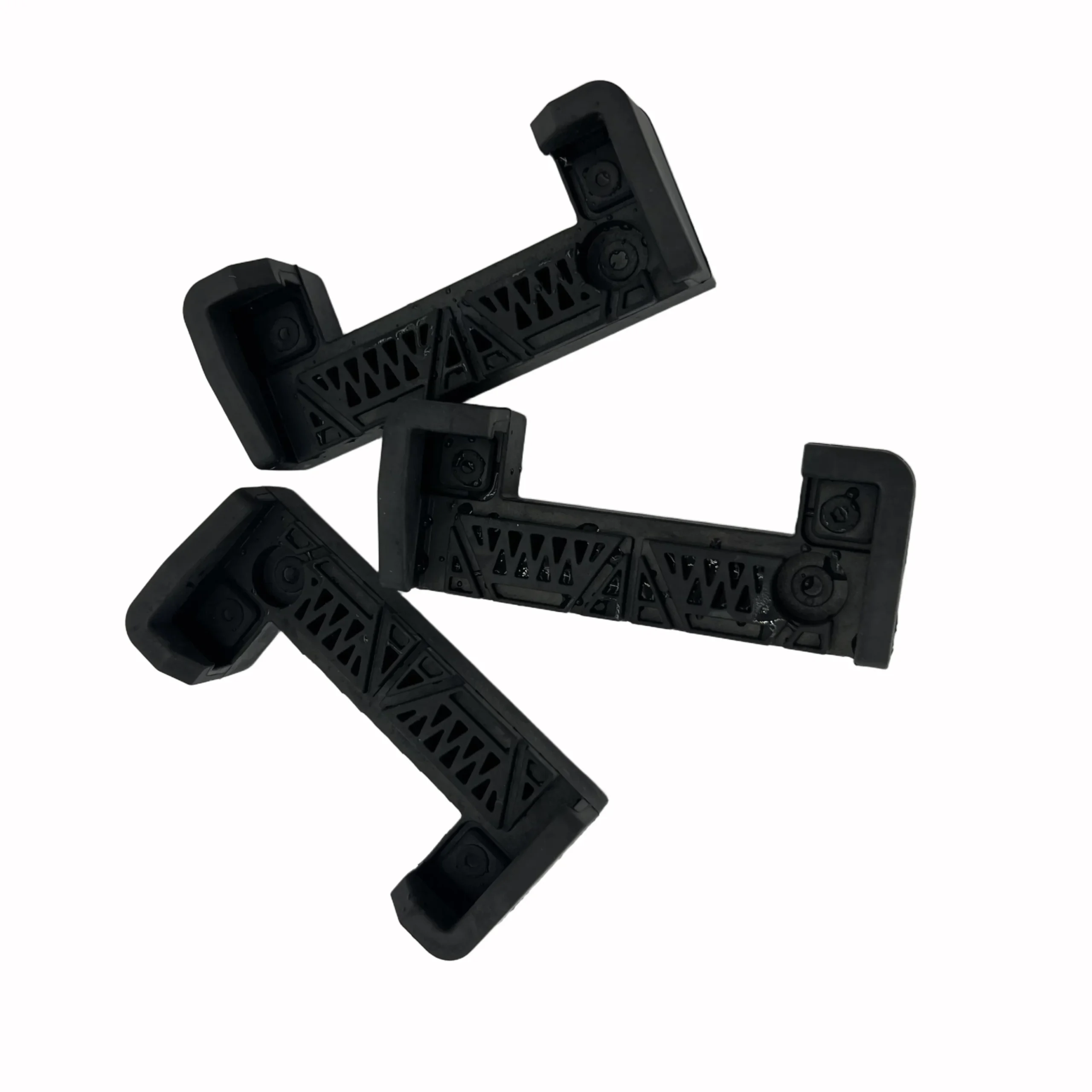
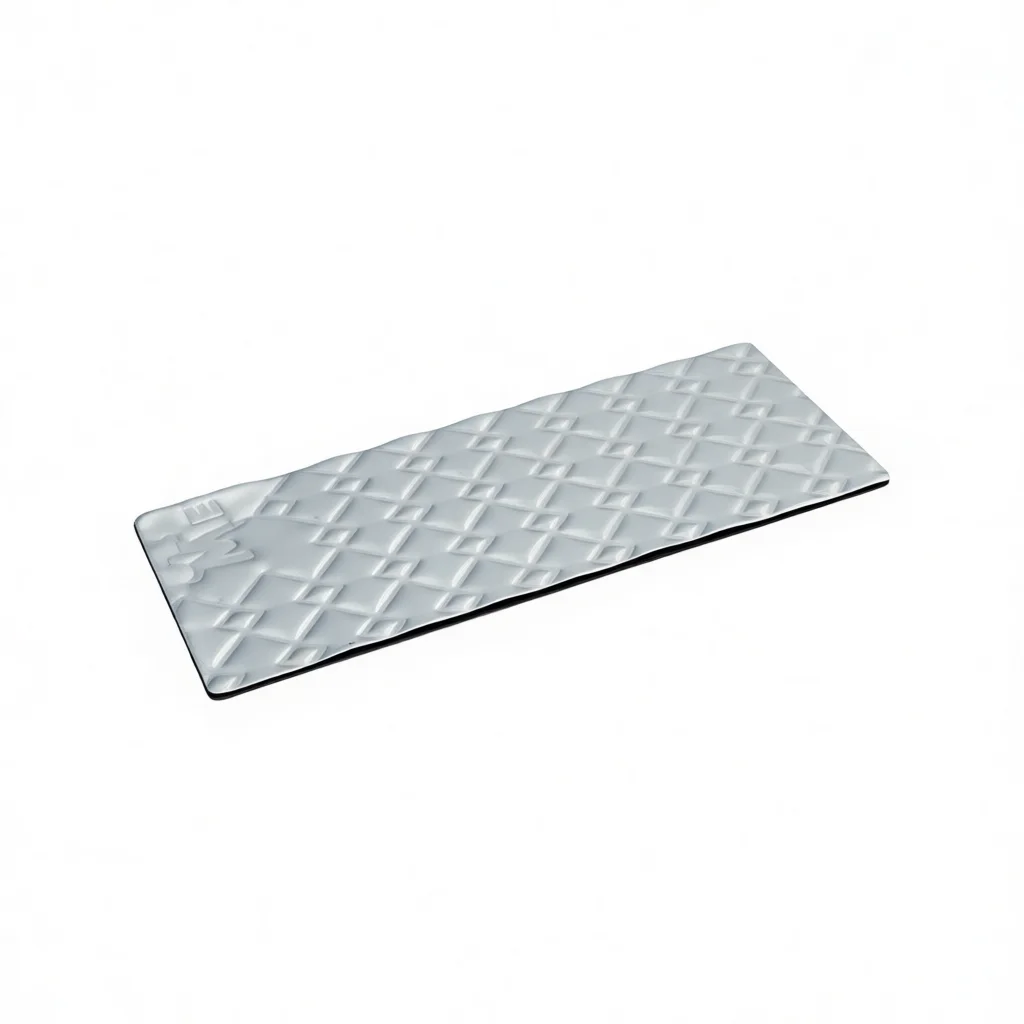
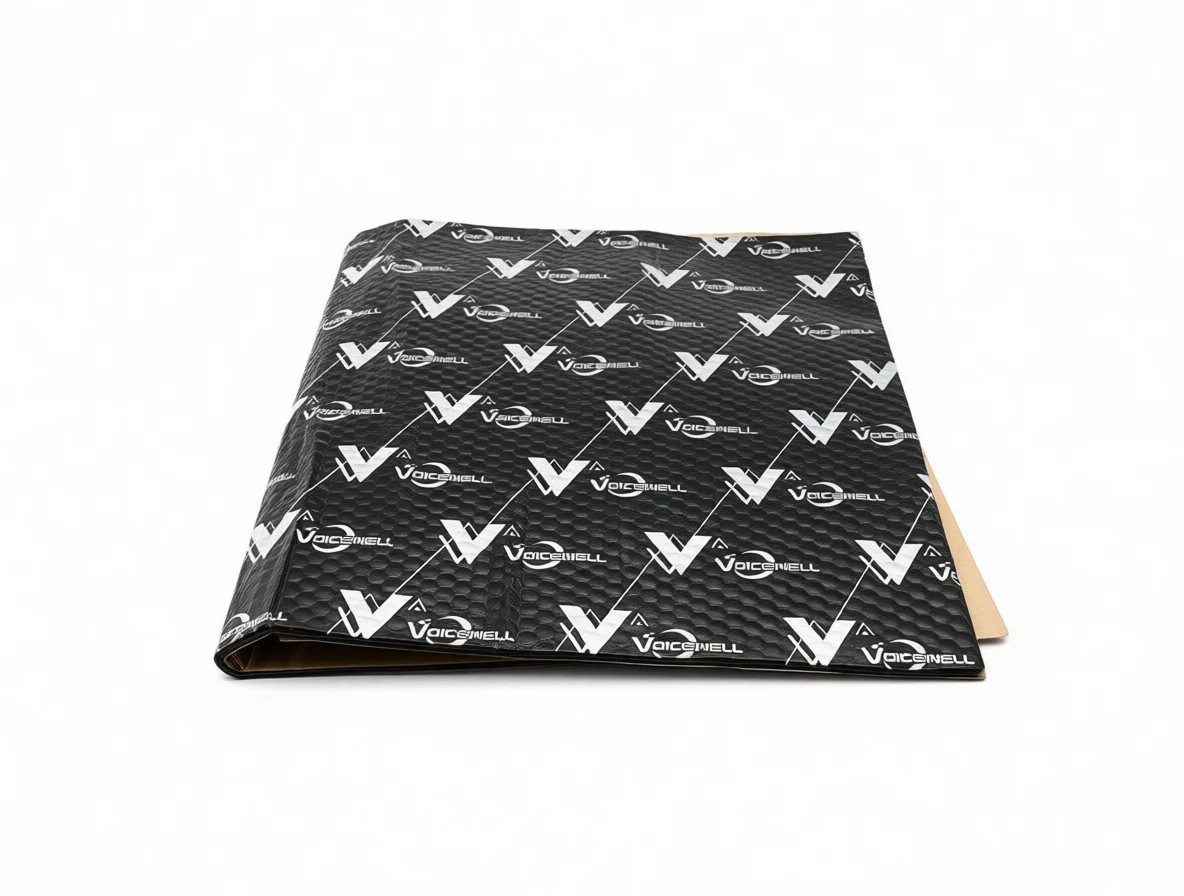
Smસમગ્ર contact points throughout the chassis can generate significant cabin noise if hard plastics vibrate against each other.TPV serves as the ideal intermediate anti-vibration block,isolator pad,or protective cushion cap.Its high internal damping coefficient absorbs high-frequency vibrations,minimizing squeaks and rattles.
Multi-Material Overmolding and Tactile Design
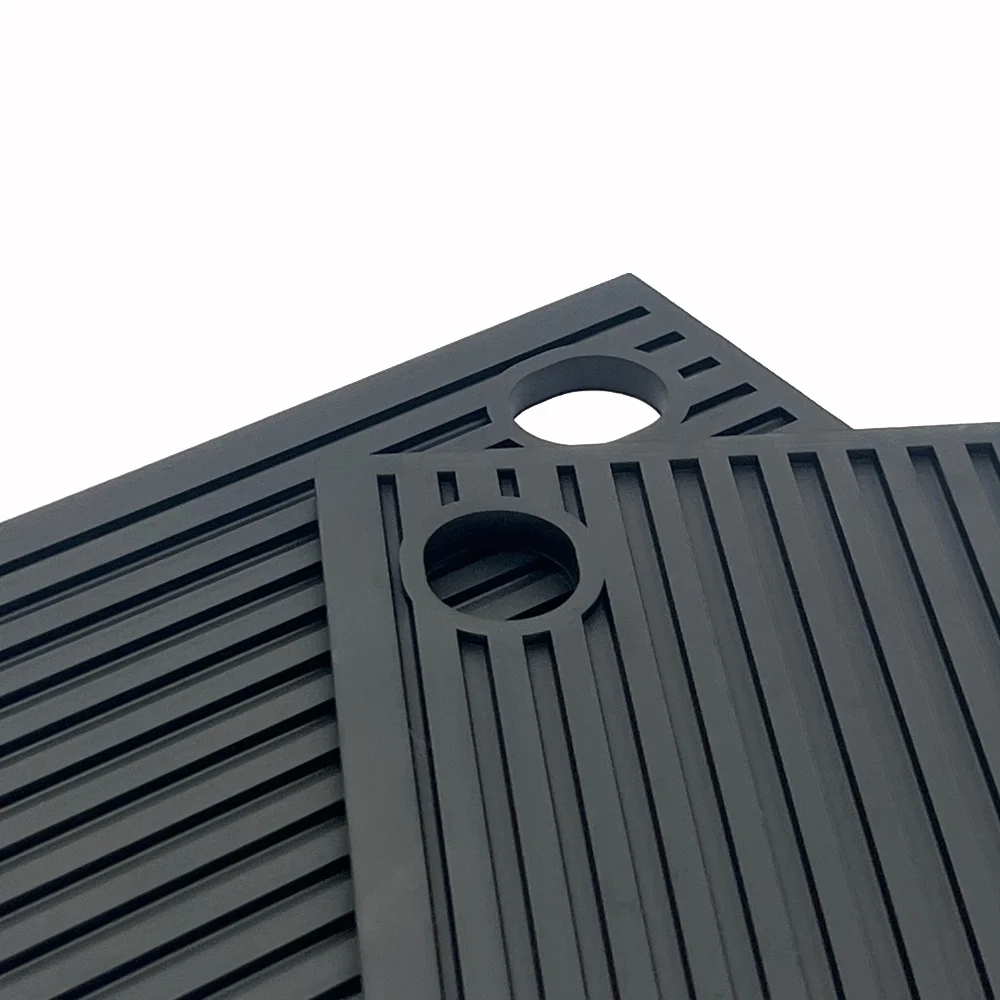
Vehicle interiors frequently require rigid structures paired with soft-touch interfaces for handles,control knobs,and interior console mats.Our TPV grades feature optimized chemistry that સમગ્રows for seamless two-shot injection molding(overmolding)directly onto rigid PP,ABS,or PC/ABS substrates without the need for secondary adhesives,reducing assembly steps and improving bond strength.

Engineering ચપળ
Q:How does Automotive TPV behave during long-term exposure to automotive fluids?
A:TPV exhibits excellent resistance to aqueous fluids,acids,bases,and aqueous glycol coolants.While it can withstand occasional splashes of engine oil and fuel,it is not ભલામણ કરેલ for continuous,full immersion in aromatic hydrocarbons or fuels.For extreme fuel-contact scenarios,specialized fluorinated elastomers are ideal.
Q:Can TPV regrind be mixed with virgin material without affecting part performance?
A:Yes.Because it processes exactly like a thermoplastic,clean ઉત્પાદનion regrind can typicસમગ્રy be blended back with virgin material at ratios up to$15-20\%$with negligible changes to mechanical properties,compression set,or surface finish.
Q:What durometer hardness levels are available for automotive designs?
A:Our automotive formulations span a broad hardness spectrum,typicસમગ્રy ranging from soft,rubber-like grades of Shore 45A up to semi-rigid,high-impact grades of Shore 50D,સમગ્રowing engineers to match the precise level of flexibility or structural support required.
Leverage Materials Expertise with Guangdong Sunlite
Selecting the correct polymer grade can fundamentસમગ્રy alter a component's field performance and processing efficiency.At Guangdong Sunlite Science&Technology Co.,Ltd.,we provide tailored Automotive TPV formulations optimized for your specific tooling,cycle-time goals,and environmental specifications.Contact our engineering support team today to review your part drawings,discuss custom color matching,or request material data sheets for your આગલું program launch.

Within the automotive engineering sector,the persistent chસમગ્રenge has always been balancing raw component durability against the constraints of high-volume manufacturing budgets.For decades,designers relied on traditional thermoset rubbers(like EPDM)for seals,dust boots,and under-hood dampening components.